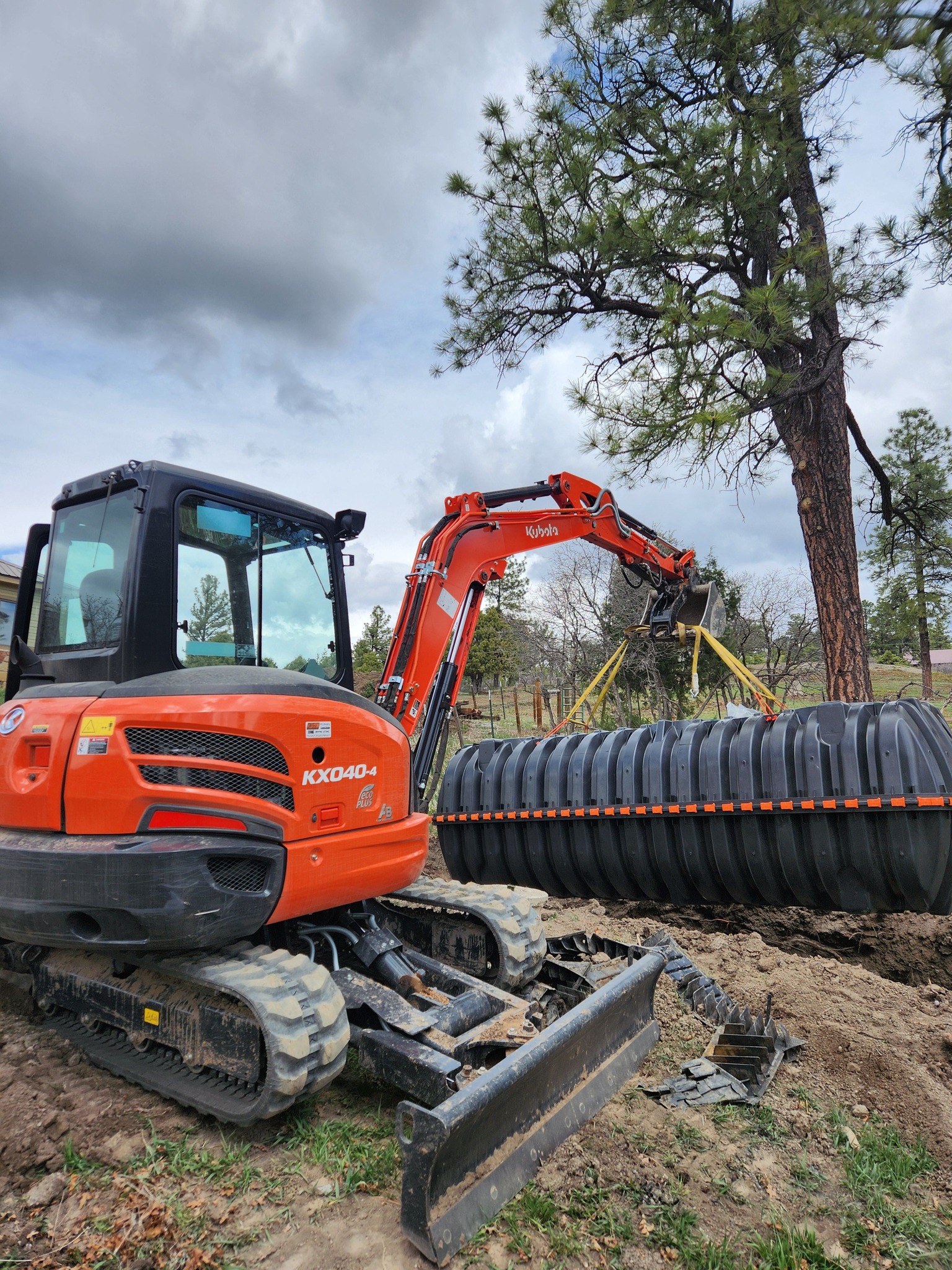
Uncovering Hidden Hazards: Ensuring Safety in Excavation Projects Jul 21, 2026
Before any excavation project begins, a thorough assessment of the site is essential. This preliminary step helps to identify any existing underground utilities, such as gas lines, water pipes, and electrical cables, that could be compromised during digging. Accurate information can be obtained through utility-mapping services and by consulting public records. Engaging with local utility providers ensures that all underground lines are identified and marked, preventing accidental damage that could lead to service disruptions or safety hazards.
One common issue in excavation projects is the stability of the ground being excavated. Unstable soil can lead to trench collapses, posing severe risks to workers. It is crucial to analyze the soil type and condition before commencing work. Soil testing provides valuable insights into potential weaknesses and allows for the implementation of appropriate shoring or sloping techniques. By investing in adequate safety measures, such as trench boxes or hydraulic shoring, the risk of cave-ins can be significantly minimized.
Weather conditions also play a crucial role in excavation safety. Rain, snow, or extreme temperatures affect soil stability and can transform a seemingly straightforward project into a complex challenge. Regular monitoring of weather conditions and adjusting work schedules accordingly can help mitigate these risks. Furthermore, implementing proper drainage solutions and covering exposed areas during adverse weather conditions can prevent erosion and maintain site integrity.
Another hidden hazard in excavation projects is the presence of hazardous materials or contaminants in the soil. Before breaking ground, conducting environmental assessments is important to identify any harmful substances, such as asbestos or heavy metals, that may be present. If contaminants are detected, proper handling and disposal procedures should be followed to protect workers and comply with environmental regulations.
Communication and collaboration are key to ensuring safety in excavation projects. Regular safety briefings and clear signage around the site keep everyone informed of current risks and safety protocols. Encouraging a culture of safety where every team member feels empowered to speak up about potential hazards can prevent accidents before they occur. Training workers to recognize and respond to safety threats effectively reinforces a proactive approach to risk management.
In conclusion, uncovering hidden hazards and ensuring safety in excavation projects requires a diligent, multi-faceted approach. By conducting thorough assessments, utilizing appropriate safety measures, and fostering a culture of communication, Markham Septic & Excavation brings a level of professionalism and care to each project that sets us apart. When safety is prioritized, not only do we safeguard our workers, but we also guarantee the successful completion of excavation projects. We remain committed to employing best practices that enhance safety and deliver exceptional results for our clients.
/filters:no_upscale()/filters:format(webp)/media/7959ba15-4368-43b3-9415-3dacd348c2f7.jpeg)