The Science Behind Effective Excavation: Techniques for Unyielding Soil Mar 20, 2026
When dealing with stubborn soil, the first step is knowing your soil type. This fundamental aspect of excavation informs the tools and techniques we use. Generally, soils are classified into categories such as clay, silt, sand, gravel, and loam, each with distinct properties. Soil analysis is paramount; it tells us how the soil will behave under stress, its load-bearing capacity, and how it interacts with water. At Markham Septic & Excavation, our team conducts thorough soil investigations before breaking ground, ensuring the chosen strategies align with the specific conditions of your site.
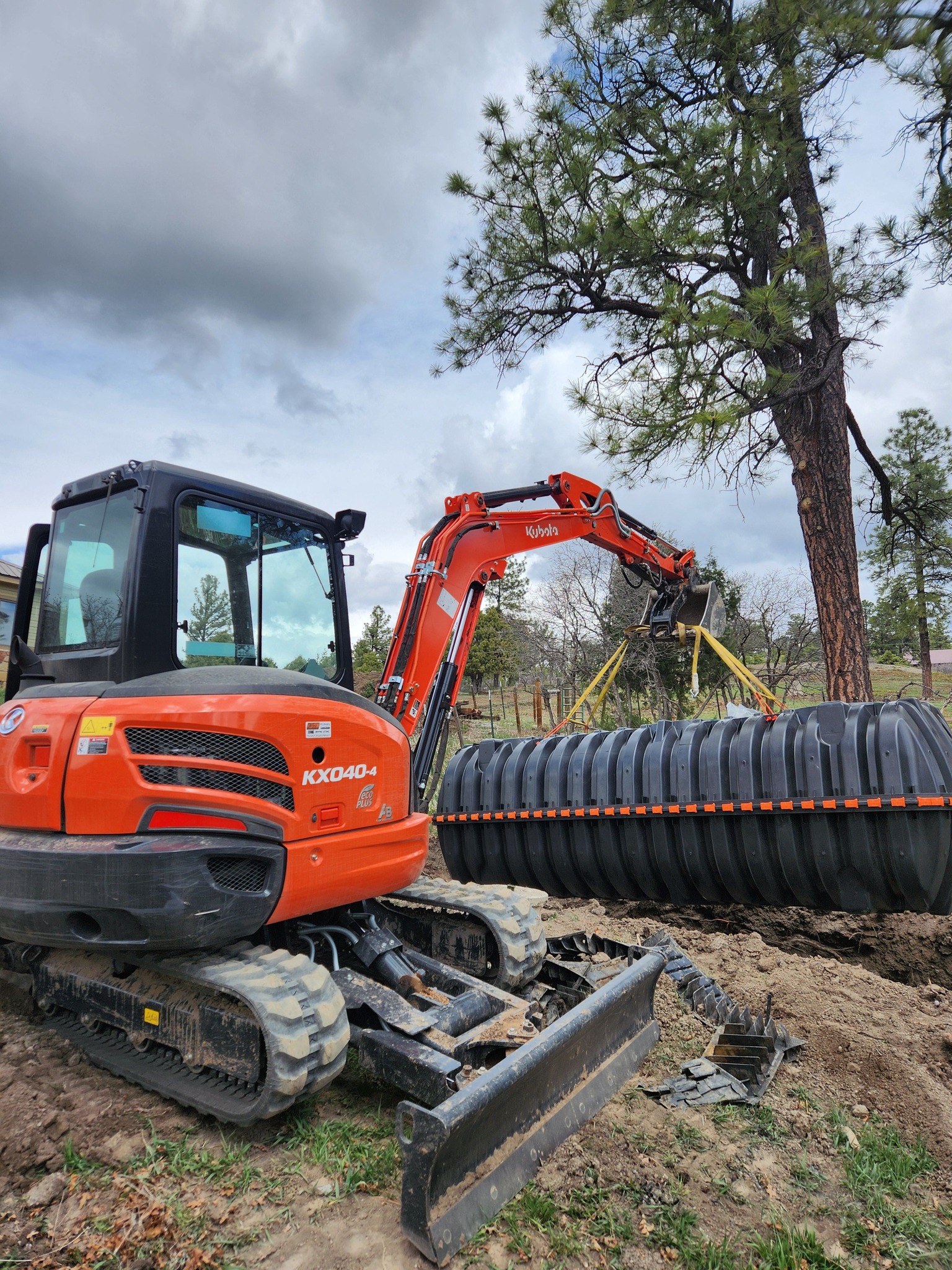
For stubborn, compacted soil types like clay or rocky terrains, traditional digging methods often prove ineffective. Modern excavation techniques involve the use of heavy-duty machinery, like hydraulic excavators and backhoe loaders, which are designed to exert the necessary force to break through resistant ground. These machines can be fitted with specialized tools such as rippers or augers, enhancing their capability to penetrate and displace tough materials efficiently.
Another advanced approach is the use of pneumatic or vacuum excavation. This method is particularly beneficial in areas where precision is necessary and environmental impact needs to be minimized. It involves utilizing high-pressure air or water to loosen the soil, which is then extracted by a powerful vacuum system. This technique not only minimizes the risk of damaging underground utilities but also offers a cleaner way to handle soil removal.
Soil stabilization techniques are also integral to managing unyielding soils. This could involve chemical treatments or mechanical methods to enhance the soil's properties, making it easier to work with. Lime stabilization, for example, is a chemical method that can alter the soil composition to improve its workability and load-bearing characteristics.
Drainage planning is another critical aspect when dealing with difficult soils, as it can prevent water accumulation that may lead to soil erosion or structural instability. Effective drainage solutions often involve creating channels, using geotextiles, or establishing a proper slope, ensuring water flows away from excavation sites efficiently.
Moreover, safety is a chief concern during excavation activities. At Markham Septic & Excavation, we prioritize the safety of our workforce and the surrounding environment by implementing comprehensive safety protocols. Regular equipment maintenance, proper training, and adherence to regulatory guidelines ensure all excavation projects are carried out safely and effectively.
In our ongoing commitment to quality and reliability, Markham Septic & Excavation leverages cutting-edge technology and skilled expertise to overcome the challenges of excavating in unyielding soils. Each project is undertaken with a bespoke approach, tailored to meet the unique demands of the job and the specific soil conditions present.
To conclude, effective excavation in unyielding soil is a science that combines knowledge of soil properties, advanced machinery, and innovative techniques. By understanding and applying these principles, Markham Septic & Excavation ensures that even the most challenging projects are completed to the highest standards, providing our clients with results that stand the test of time. Whether you are planning a new build, an extension, or a renovation, trust us to provide the excellence required for a successful excavation.
/filters:no_upscale()/filters:format(webp)/media/7959ba15-4368-43b3-9415-3dacd348c2f7.jpeg)