The Future of Waste Management: How Modern Excavation Techniques are Transforming Septic System Installations Jul 20, 2026
Today's world witnesses a burgeoning concern for both community health and environmental impact, prompting a shift in how septic systems are installed and maintained. Traditional methods, once considered adequate, are now paving the way for modern excavation techniques that promise to revolutionize the industry. This evolution is largely driven by the need for more precise, less invasive, and environmentally friendly processes.
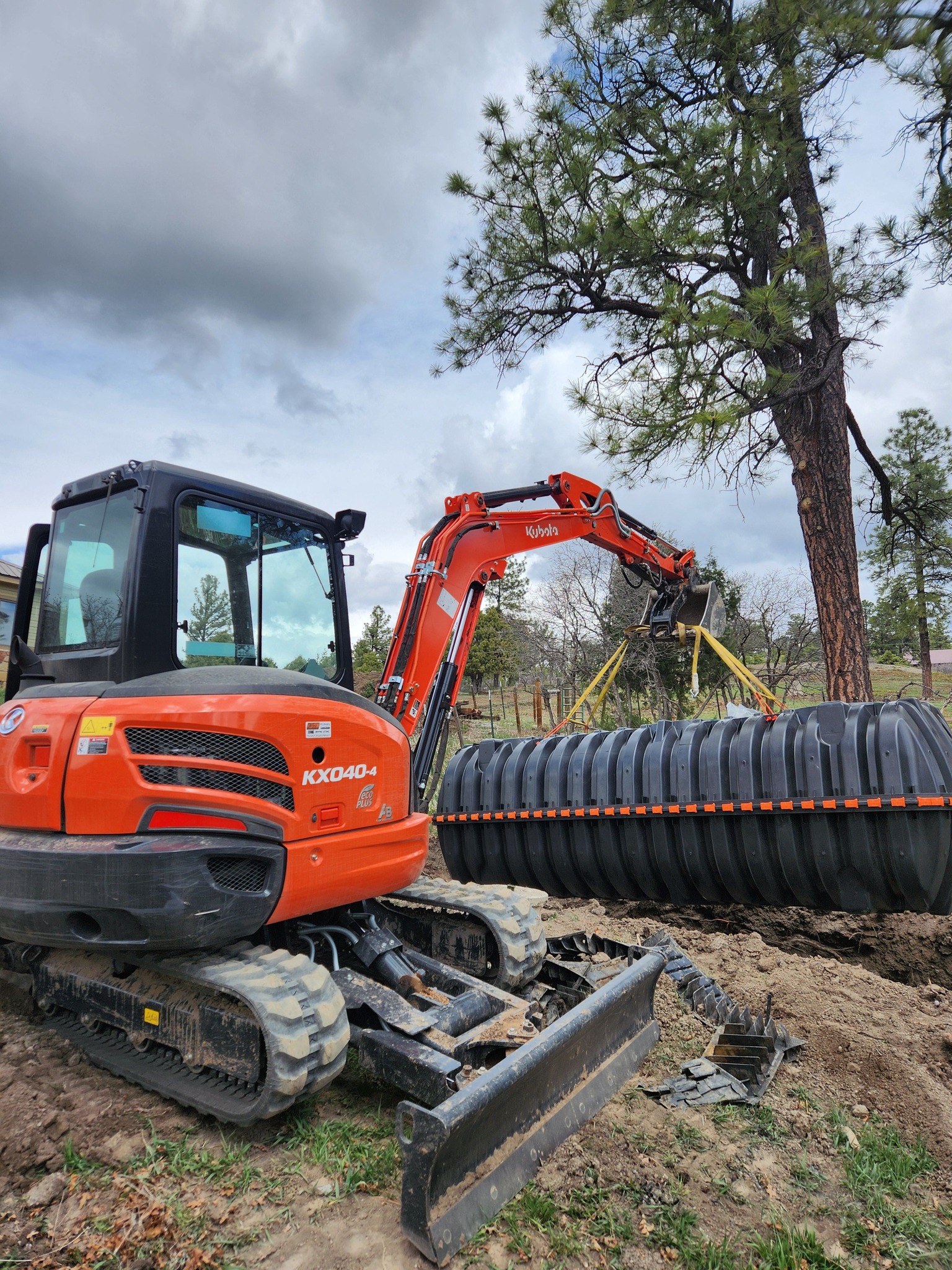
Modern excavation techniques have dramatically improved the efficiency and reliability of septic system installations. Gone are the days of large-scale disruptions to property landscapes. With advanced machinery and computer-aided designs, excavation teams can now conduct installations with pinpoint accuracy. This means less disruption to the surrounding environment and a reduced carbon footprint, aligning perfectly with Markham Septic & Excavation’s commitment to sustainable practices.
One of the most significant advances in the field is the integration of GPS and GIS (Geographic Information Systems) technology. These tools facilitate precise mapping and planning, ensuring that every excavation project is tailored to the unique specifications of a site. This precision reduces waste material, minimizes environmental disturbance, and shortens project timelines. For a business like Markham Septic & Excavation, utilizing such technology means offering customers more efficient and cost-effective services.
Another game-changer is the implementation of trenchless technology. This method allows for the installation and maintenance of septic systems without extensive digging. By employing advanced methods such as directional boring, Markham Septic & Excavation can install systems with minimal surface disruption. Not only does this preserve the aesthetic appeal of a property, but it also significantly diminishes the environmental impact traditionally associated with excavation.
Beyond technique, there's also a growing focus on the materials used in septic installations. Eco-friendly and sustainable materials are now being used more frequently. These materials not only prolong the lifespan of a septic system but also ensure that the waste management process is as non-invasive to the environment as possible. Markham Septic & Excavation sources such materials responsibly, ensuring that each project contributes positively to a sustainable future.
The impact of these modern techniques on waste management stretches beyond immediate installations. As the industry continues to innovate, we see potential advancements in waste treatment processes that promise improved efficiency and environmental outcomes. For homeowners and businesses alike, these developments ensure drainage solutions that are not only effective but align with growing environmental standards and regulations.
In conclusion, the future of waste management is being shaped by modern excavation techniques, which are at the heart of transforming septic system installations. By embracing technological advancements and sustainable practices, companies like Markham Septic & Excavation are leading the charge towards a cleaner, more efficient tomorrow. As we continue to refine our practices and embrace new technologies, the vision of sustainable waste management becomes not just a possibility but a reality. For those seeking reliable and eco-conscious septic solutions, these innovations represent exciting opportunities and a definitive step forward in modern waste management practices.
/filters:no_upscale()/filters:format(webp)/media/7959ba15-4368-43b3-9415-3dacd348c2f7.jpeg)