Septic System Design: Customizing Solutions for Diverse Soil Conditions May 25, 2026
Septic systems are a critical component of rural and suburban infrastructure, responsible for treating and disposing of wastewater in locations not connected to centralized sewage systems. However, the effectiveness of a septic system heavily depends on the surrounding soil's ability to filter and treat effluent before it reaches the groundwater. Soil conditions such as texture, permeability, and absorption rates play a pivotal role in determining the type of system best suited for a specific location.
In regions with sandy soils, like those found near coastal areas, septic systems benefit from excellent drainage capabilities. Sandy soil, characterized by larger particles and space between them, allows for efficient percolation of wastewater. However, this rapid drainage can be a double-edged sword; while it prevents waterlogging, it may also provide insufficient filtration time, potentially leading to contaminants reaching the groundwater. In such cases, a system design that incorporates additional filtration layers or pre-treatment solutions may be necessary to enhance safety.
Conversely, clay or other dense soils, prevalent in many inland areas, present their unique challenges. Their compact nature leads to slow drainage rates, risking septic system overload during heavy usage or rainfall. For these conditions, a mound system, which elevates the soil absorption area, promotes better drainage and avoids potential backups. Additionally, selecting lower-impact design features that manage flow rates can further mitigate potential issues associated with slow-draining soils.
For soil profiles with high water tables, which frequently occur in valleys or low-lying regions, conventional septic solutions may underperform due to insufficient vertical separation from groundwater sources. Elevated systems or those incorporating advanced treatment technologies can effectively meet these challenges. These designs ensure that effluent is adequately processed before even coming close to the water table, preserving both environmental health and property value.
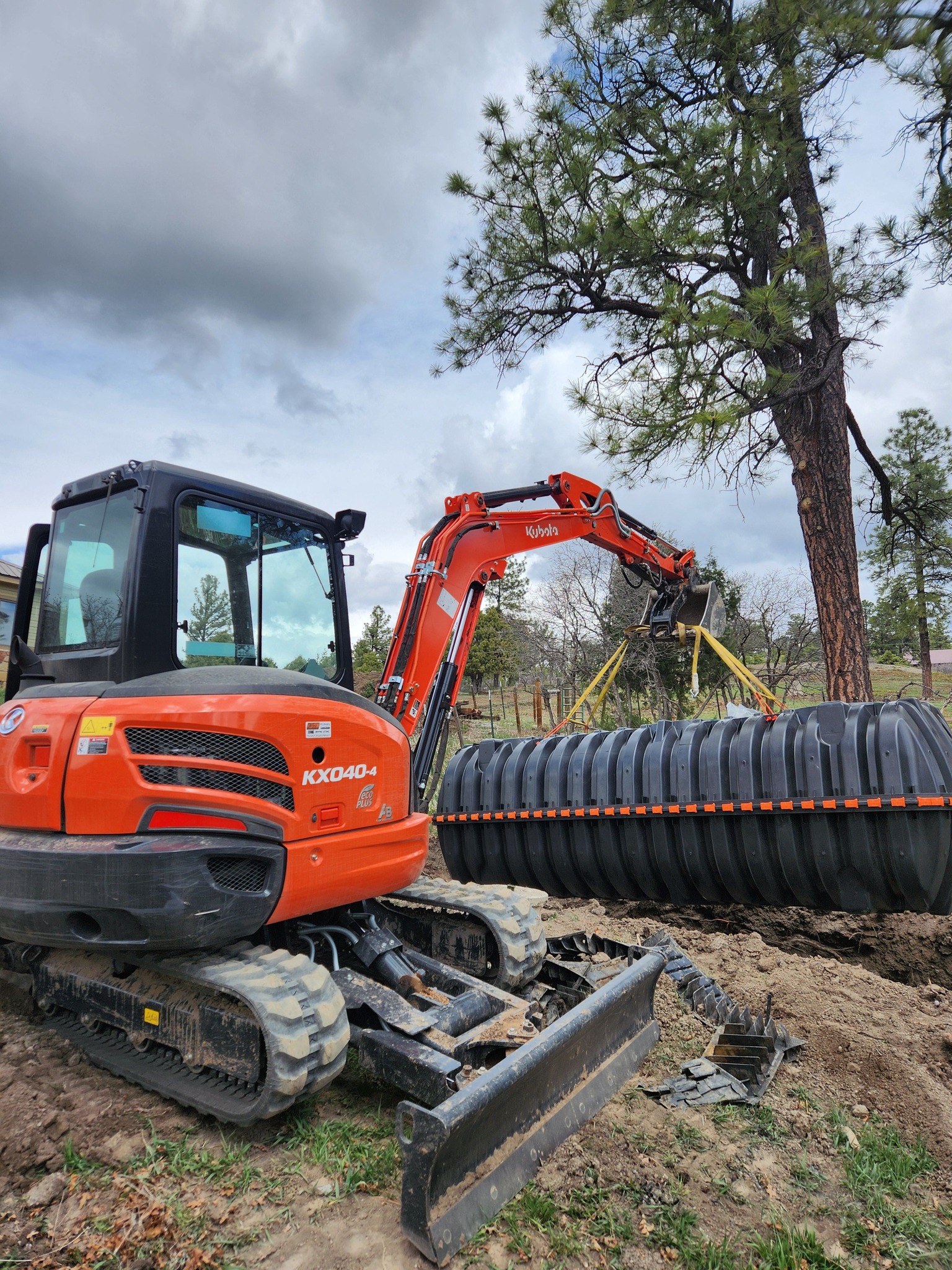
Markham Septic & Excavation understands the necessity of tailoring each septic system to fit its specific environmental context. By conducting comprehensive soil tests before installation, they ensure that each design maximizes efficiency and longevity while minimizing environmental impact. For homeowners, this means a septic system that not only meets regulatory requirements but also functions seamlessly for years to come.
In conclusion, the complexity of soil conditions demands customized septic system solutions. Whether dealing with sandy, clay, or others, tailoring the septic design to meet the unique challenges of each environment ensures system success and sustainability. By collaborating with experienced professionals like Markham Septic & Excavation, property owners can rest assured that their septic systems are not just installed but optimized for peak performance. Proper, customized septic system design is not just beneficial—it is essential in safeguarding our homes and the environment in which they reside.
/filters:no_upscale()/filters:format(webp)/media/7959ba15-4368-43b3-9415-3dacd348c2f7.jpeg)