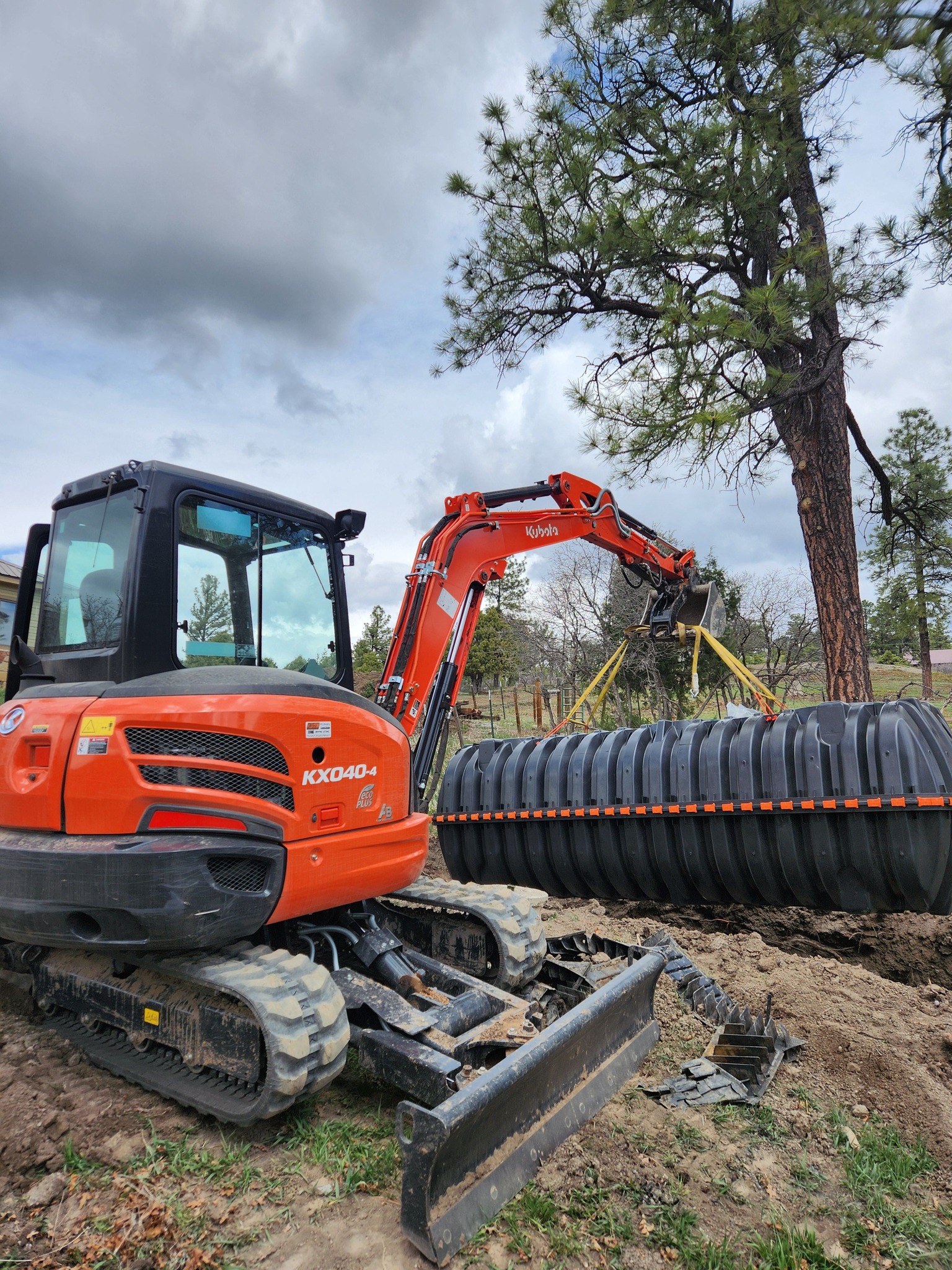
Navigating Excavation Safety: Best Practices and Industry Standards Jul 23, 2026
Excavation safety begins with thorough planning and preparation. Before machinery sets into motion, a detailed assessment of the site is essential. Analyzing the soil, identifying existing utilities, and understanding weather conditions are all part of this vital pre-excavation groundwork. This evaluation not only helps in crafting a realistic timeline but also pinpoints potential hazards, allowing teams to devise appropriate risk mitigation strategies.
Once the planning is complete, employing the right equipment is the next step. Not all excavators are created equal. The size and type of machinery should align with the specific requirements of the project. Overly large machines for a small area can cause unnecessary danger, just as using underpowered equipment can lead to inefficiencies and accidents. Regular maintenance checks ensure the equipment is in optimal condition, minimizing breakdowns and potential safety hazards.
Proper training and communication form the backbone of successful excavation safety practices. Workers must have comprehensive training on equipment handling, hazard recognition, and emergency procedures. Additionally, a culture of open communication should be fostered. Encouraging team members to report unsafe conditions or near-misses can prevent serious accidents. Regular safety meetings serve as a platform for discussing current site conditions and any new protocols that need to be implemented.
Another key aspect of excavation safety is the implementation of traffic control measures. The movement of equipment and vehicles on-site can pose a significant risk if not properly managed. Establishing clear pathways and designating specific routes for vehicles help in minimizing confusion and potential collisions. Signage and trained flaggers are also effective in directing traffic and ensuring site safety.
Moreover, protective systems like trench boxes and shoring are critical when digging trenches. These systems prevent cave-ins, which are among the most common hazards in excavation work. It’s imperative that only certified professionals evaluate these systems and that they are used according to the specific depth and type of excavation. Monitoring the trench environment regularly for any changes is also crucial in maintaining a safe work area.
Site inspections are a vital component of maintaining safety standards. Regular inspections identify not just existing, but potential problems that could escalate if left unchecked. These inspections should be performed by a qualified safety professional who is familiar with the site's unique challenges. Documenting these inspections can also provide invaluable data for future projects and ongoing improvements in safety practices.
In conclusion, navigating excavation safety requires a multifaceted approach. At Markham Septic & Excavation, we are committed to implementing best practices and adhering to industry standards to ensure optimal safety on every project. By focusing on planning, equipment, training, communication, and protective measures, we not only safeguard our team but also guarantee the successful completion of projects. Always remember, in excavation, safety is not just a protocol—it's a mindset.
/filters:no_upscale()/filters:format(webp)/media/7959ba15-4368-43b3-9415-3dacd348c2f7.jpeg)