Navigating Eco-Conscious Excavation: Best Practices for Minimizing Environmental Impact Jul 08, 2026
Understanding the environmental impact of excavation is essential. This process can disrupt ecosystems, contribute to soil erosion, and affect local wildlife. However, through strategic planning and innovative techniques, it is possible to mitigate these effects.
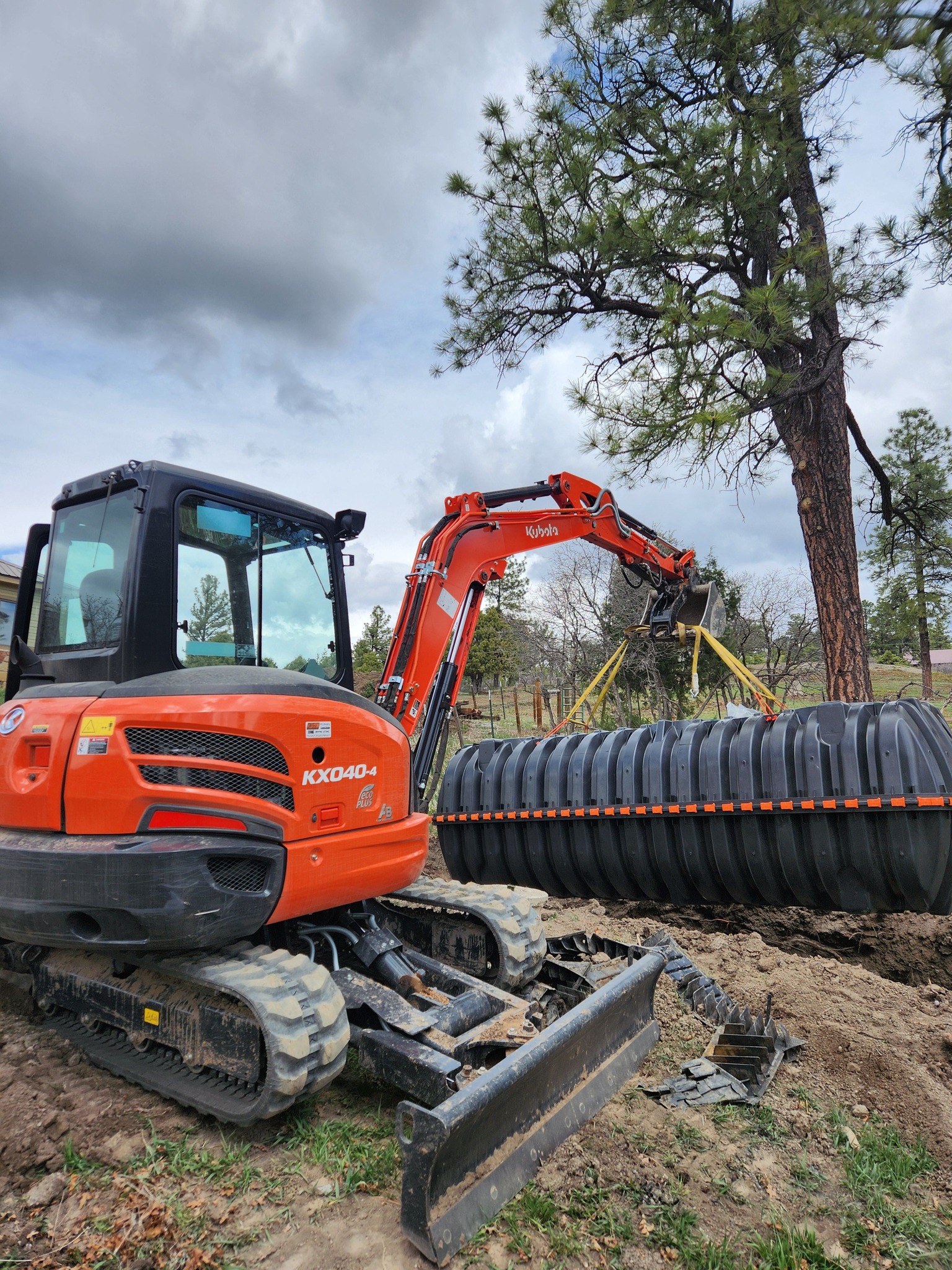
One of the key strategies to reduce environmental impact is using modern, low-emission machinery. Technological advancements have led to the creation of equipment that consumes less fuel and emits fewer pollutants. Investing in such machinery not only helps the environment but can lower operational costs over time due to improved fuel efficiency.
Prior to starting any excavation project, conducting a comprehensive site assessment is crucial. This involves analyzing soil samples, groundwater conditions, and the presence of any flora and fauna that might be affected. By understanding the unique characteristics of the land, companies can tailor their approach to minimize disruption. Implementing erosion control measures, such as silt fencing and vegetation barriers, can effectively prevent soil degradation.
Another vital practice is to ensure the responsible disposal and recycling of excavated materials. Instead of sending waste to landfills, Markham Septic & Excavation can explore recycling options. Materials such as concrete and asphalt can often be reused in new construction projects. This not only reduces waste but also cuts down on the need for fresh materials, thereby conserving natural resources.
Water management during excavation is also a significant concern. Implementing systems to capture and treat groundwater can prevent contamination and preserve local water quality. Simple measures like constructing retention ponds can help control runoff and reduce sediment transport into nearby water bodies.
Incorporating eco-friendly practices also involves maintaining open lines of communication with local communities. Engaging with stakeholders, such as local residents and environmental groups, can provide valuable insights and foster stronger community relations. Transparency about the methods and measures used in a project can lead to enhanced trust and reputation.
At the heart of eco-conscious excavation is an ongoing commitment to education and training. By keeping abreast of the latest environmental regulations and sustainable practices, Markham Septic & Excavation can ensure continuous improvement. Regular training sessions for staff on eco-friendly techniques serve to highlight the company’s commitment to environmental stewardship.
To conclude, minimizing the environmental impact of excavation requires a comprehensive approach that blends innovation, responsibility, and a commitment to sustainability. By implementing these best practices, Markham Septic & Excavation can lead the way in eco-conscious excavation, setting a standard within the industry and showcasing how businesses can effectively marry profit with planet-conscious practices. With an ever-growing awareness of environmental issues, adopting these methods not only satisfies regulatory requirements but also aligns with the values of a more eco-conscious clientele.
/filters:no_upscale()/filters:format(webp)/media/7959ba15-4368-43b3-9415-3dacd348c2f7.jpeg)