Mastering the Art of Efficient Land Clearing: Tips and Techniques Dec 21, 2025
To begin with, assess the land carefully. A thorough site evaluation helps in understanding the terrain, soil composition, and any existing plant life. It sets the foundation for a detailed plan that addresses potential challenges such as rocky soil or thick underbrush. This initial step is vital to ensure that the approach you choose for land clearing is the most suitable for the landscape.
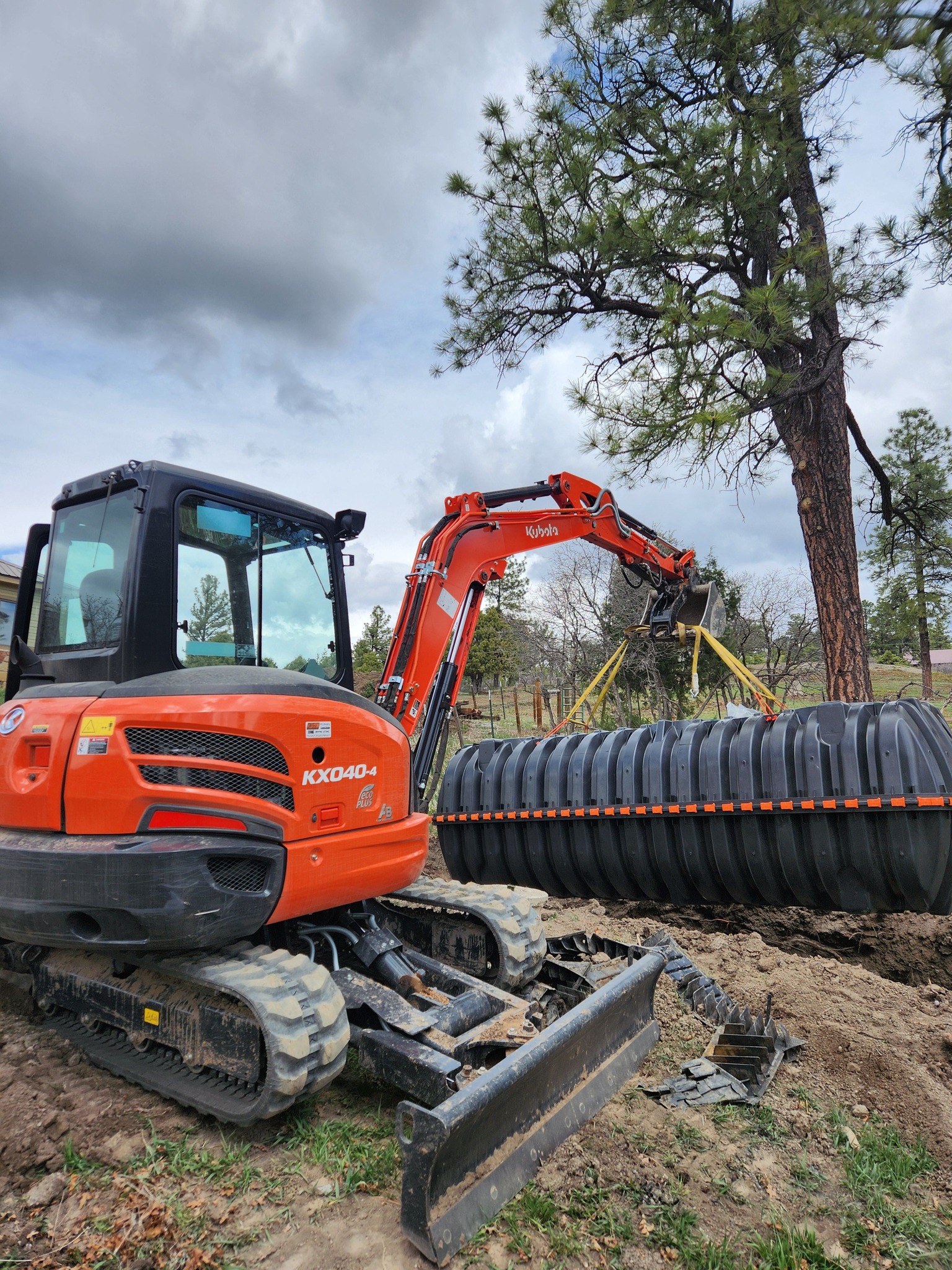
Once the assessment is complete, selecting the right equipment is crucial. The tools and machinery used can vary greatly depending on the size and nature of the land. For instance, larger plots may require bulldozers and excavators, which are excellent for handling substantial debris. Conversely, smaller areas might be better served with chainsaws or mulchers, which can delicately manage smaller trees and shrubs without causing unnecessary disturbance to the soil. Opting for the appropriate machinery will significantly enhance the efficiency of the clearing process.
Another key technique involves addressing safety first. Safety should always be at the forefront, considering that land clearing can pose significant hazards. This includes ensuring that all equipment is operated by trained professionals and that every team member wears the necessary personal protective gear. Regularly inspect machinery and tools to avoid accidents caused by malfunctions or misuse. Awareness and training in safety protocols help protect both the crew and surrounding environment during land clearing activities.
Preservation of desirable vegetation is also an important aspect of efficient land clearing. Not all trees and plants need to be removed; maintaining certain flora can enhance the landscape's natural beauty and ecological balance. This requires a strategic approach where only necessary vegetation is cleared, which can also result in cost savings and reduced environmental impact. Collaboration with a knowledgeable landscaping team can help identify which plants to retain.
Moreover, managing waste efficiently can greatly influence the sustainability of the project. Land clearing generates considerable organic waste, which can be effectively recycled or reused. Composting cleared vegetation or using wood chips as mulch can contribute positively to the project area, promoting a sustainable clearing process. This practice not only reduces waste but can enhance the future use of the land by enriching the soil.
In conclusion, mastering efficient land clearing is about planning, selecting the appropriate tools, prioritizing safety, preserving valuable vegetation, and managing waste responsibly. These techniques ensure a smooth transition from a cluttered plot to a site ready for development. At Markham Septic & Excavation, we believe that informed clients lead to successful projects. Whether you're undertaking a large development or a small landscaping project, these insights can help streamline the process, saving both time and resources. For professional assistance and expert advice, consider reaching out to our team to transform your landscape efficiently and effectively.
/filters:no_upscale()/filters:format(webp)/media/7959ba15-4368-43b3-9415-3dacd348c2f7.jpeg)