Innovative Techniques for Excavating in Tight Urban Spaces Jun 14, 2026
Firstly, careful planning and precision are crucial in urban excavation where space is a premium. Before any project commences, a comprehensive site analysis is necessary. This includes geotechnical surveys and utility mapping to identify existing underground infrastructure. By leveraging advanced technology such as ground-penetrating radar (GPR), teams can detect and map utilities, ensuring excavation is conducted safely without disrupting services or causing damage.
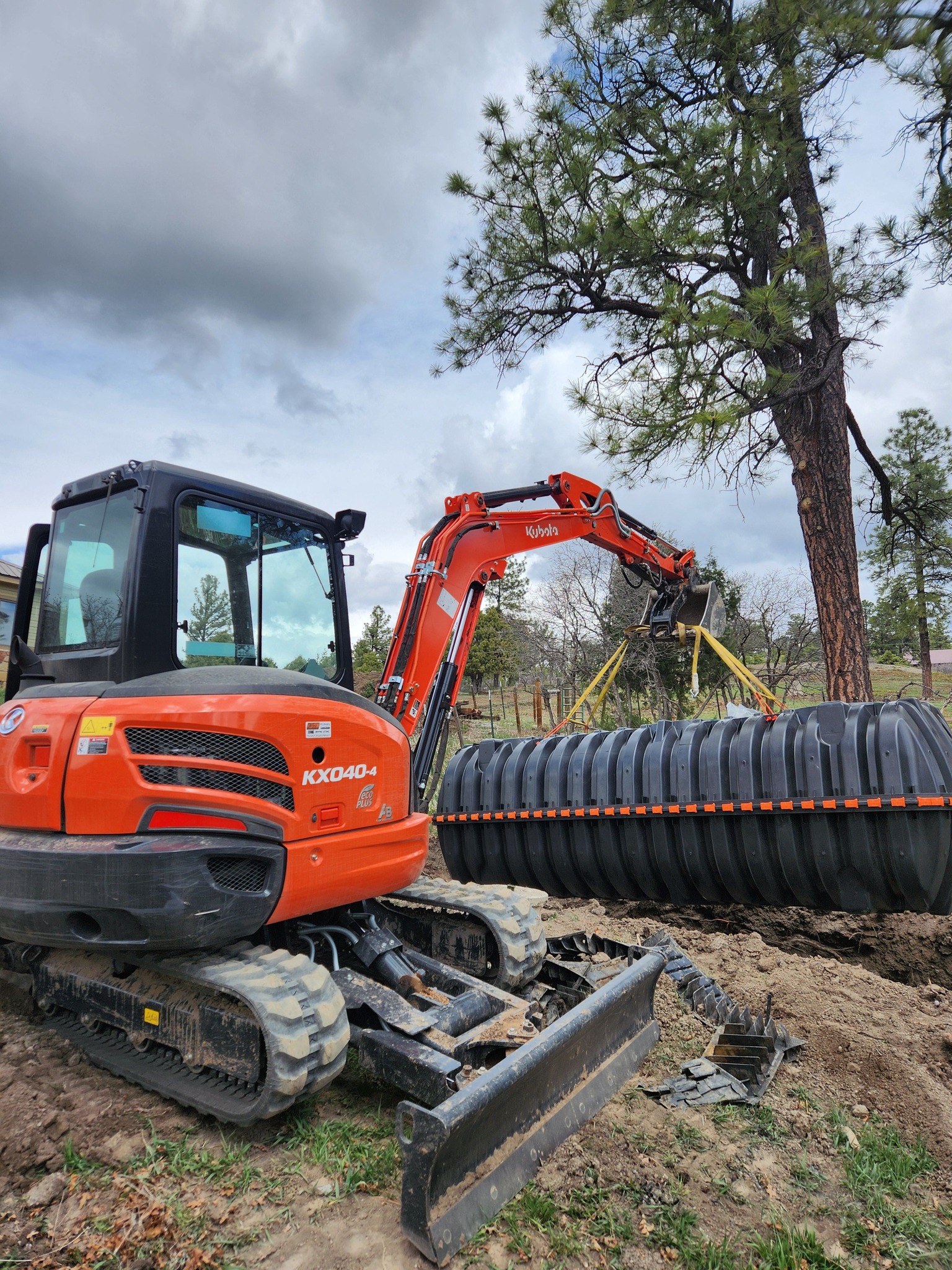
One of the primary techniques employed by Markham Septic & Excavation is the use of compact, agile machinery. Minimized machine footprint allows workers to maneuver efficiently in confined spaces. Excavators designed specifically for urban environments are equipped with features like zero tail swing, enabling the arm to rotate within the vehicle’s width, significantly reducing the risk of collateral damage.
Another innovative approach is trenchless technology. This technique significantly reduces the need for digging extensive trenches by deploying solutions such as pipe bursting and horizontal directional drilling (HDD). Horizontal directional drilling allows for the installation of underground pipelines, cables, and conduits with minimal surface disruption. This is particularly advantageous in bustling city centers, where maintaining traffic flow and minimizing environmental impact are priorities.
Additionally, digital modeling and simulation tools are transforming the excavation landscape. Through Building Information Modeling (BIM), project managers can simulate the excavation process in a virtual environment. This allows for detailed planning and coordination, identifying potential pitfalls before construction begins. Digital models provide a clearer understanding of spatial constraints and enable teams to devise strategies that minimize risks and delays.
Safety is a critical concern in any excavation project. In urban settings, where space is restricted and the public is often nearby, ensuring the highest safety standards is non-negotiable. Markham Septic & Excavation adheres to stringent safety protocols, including regular equipment checks and providing comprehensive training for all staff members. By equipping workers with the latest safety gear and tools, the risk of accidents is significantly diminished.
Reducing noise and disturbance is another critical aspect when working in populated areas. Many cities have introduced noise ordinances, and exceeding permissible limits can lead to fines and project delays. Techniques such as using hydraulic instead of pneumatic tools can reduce noise. Scheduling noisy operations during off-peak hours, and using sound barriers are additional strategies.
In conclusion, excavating in tight urban spaces presents unique challenges but with innovative techniques, these can be effectively managed. Markham Septic & Excavation’s commitment to adapting cutting-edge technology and prioritizing safety and efficiency ensures successful project outcomes. For developers and city planners, partnering with a knowledgeable and experienced excavation company not only facilitates smoother projects but also enhances community relations by ensuring minimal disruption and maximal safety. Understanding these practices is crucial for anyone involved in urban development, and staying informed will ensure future urban projects are both successful and sustainable.
/filters:no_upscale()/filters:format(webp)/media/7959ba15-4368-43b3-9415-3dacd348c2f7.jpeg)