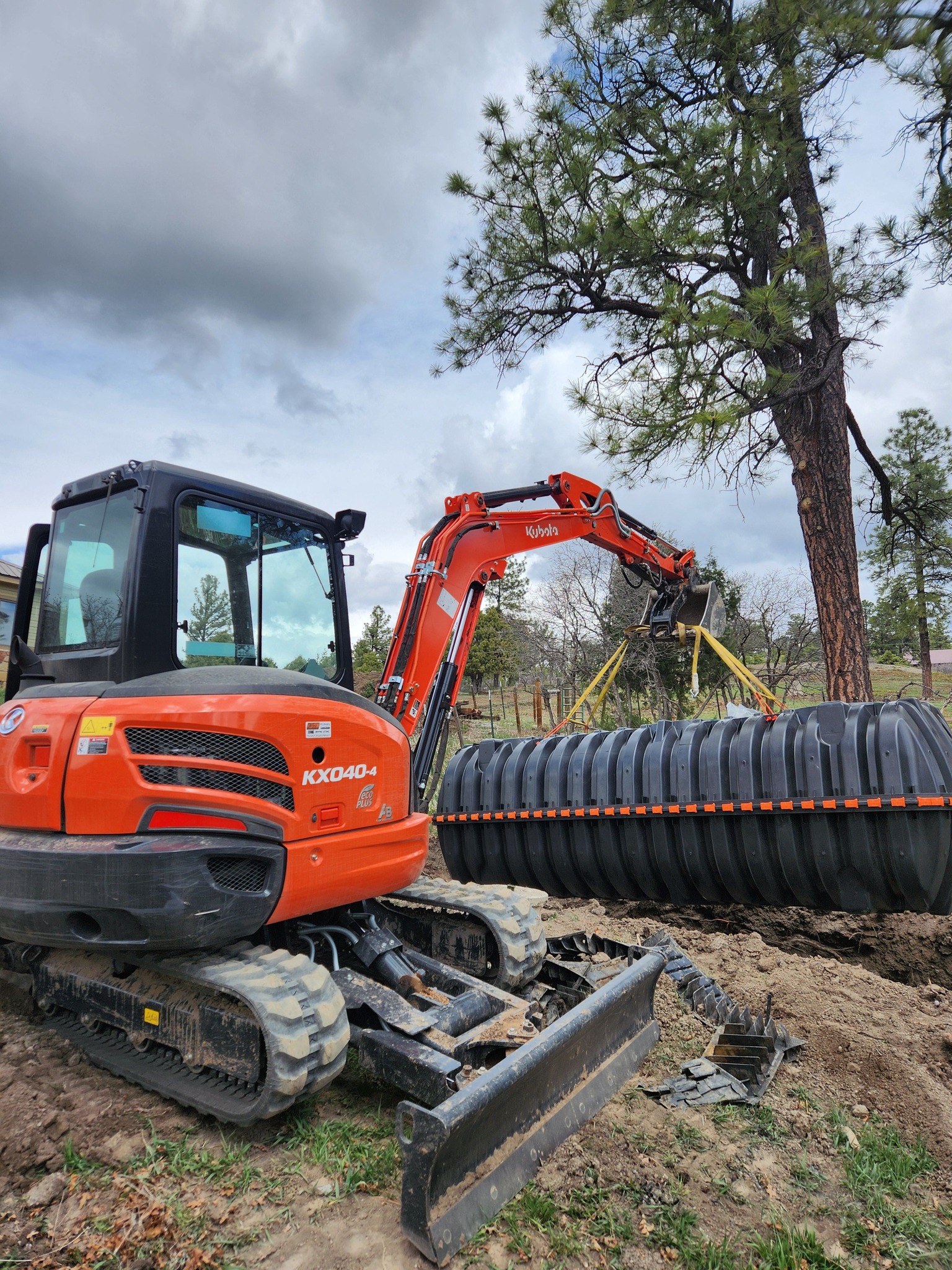
How Septic Systems Work: A Comprehensive Guide for Homeowners Nov 15, 2025
Septic systems play a vital role in managing household waste in areas without centralized sewage systems. At their core, septic systems are underground wastewater treatment structures, typically composed of a septic tank and a drainfield or soil absorption field. Understanding these components is essential for effective system management.
The journey begins at the septic tank, a watertight container usually made of concrete, fiberglass, or polyethylene. Its primary role is to hold wastewater long enough to allow solids to settle to the bottom, forming sludge, while oil and grease float to the top as scum. This tank design ensures that the more solid materials are naturally separated from the liquid waste, initiating the first phase of waste treatment.
The partially treated wastewater, known as effluent, exits the tank and flows into the drainfield. A network of perforated pipes or chambers distributes the effluent into the soil, which serves as a natural filter. Microorganisms in the soil further treat the effluent, breaking down bacteria and viruses and ensuring that the water released into the environment is clean. Proper functioning of this component is essential to prevent any backing up or pooling of wastewater on the surface of your yard, which is an indication of a failing system.
It is important to note that regular maintenance is critical to a septic system's effectiveness. As a rule of thumb, septic tanks should be inspected and pumped every three to five years. This removes the accumulated sludge and scum that could overflow and clog the drainfield. Remember, the frequency of pumping depends on factors such as household size and water usage, so it's beneficial to consult with professionals for personalized advice.
Beyond regular pumping, mindful water use and proper waste disposal can greatly influence the health of your septic system. Reducing water usage helps minimize the stress on the septic system. Practices such as fixing leaks promptly, spreading laundry loads over several days, and installing water-efficient fixtures can make a big difference. Additionally, be cautious about what goes down your drains. Non-biodegradable items, oils, and harsh chemicals can disrupt the natural bacterial processes within the septic tank.
Our experts at Markham Septic & Excavation emphasize the importance of recognizing early signs of trouble, such as slow drains, gurgling sounds in the plumbing, or unpleasant odors around your tank or drainfield area. Addressing these issues promptly can prevent more severe problems and save money in the long run.
In conclusion, understanding how septic systems work is essential for their proper maintenance and longevity. By managing your system responsibly through regular maintenance, mindful water use, and appropriate waste disposal, you can ensure its efficiency and longevity. At Markham Septic & Excavation, we are committed to helping you maintain a healthy septic system. For personalized service and expert advice tailored to your property's needs, don't hesitate to contact us.
/filters:no_upscale()/filters:format(webp)/media/7959ba15-4368-43b3-9415-3dacd348c2f7.jpeg)