Expert Tips for Selecting the Perfect Site for Your Septic System May 30, 2026
To begin with, understanding the local regulations is paramount. Each municipality has its own set of rules and requirements regarding septic systems. These guidelines often dictate the minimum distance your septic system must maintain from property lines, water sources, and buildings. It's essential to consult local zoning and health department officials to ensure compliance and avoid future legal issues.
Next, consider the natural features of your land. The ideal terrain for a septic system is a well-draining area that won't flood easily. Sandy or loamy soils typically provide the best drainage, allowing wastewater to filter naturally without pooling. Conversely, clay-heavy soils can pose significant challenges due to their compact nature, obstructing proper percolation. If you suspect your soil type might be unsuitable, a soil test can provide clarity and guide any necessary modifications.
The slope of your land is another crucial factor. A gently sloping site aids in the gravitational flow necessary for most septic systems. However, a site with a steep incline might require additional engineering solutions to manage wastewater efficiently. Avoid placing your septic system at the bottom of a slope or in areas prone to natural water collection, which could lead to system overloading and failure.
Proximity to water bodies is another consideration. A safe distance from lakes, rivers, and wells is not just a regulatory requirement but also an environmental responsibility. Contaminants from septic systems can infiltrate these water sources, posing health risks. Therefore, selecting a site that respects safe distances helps protect your family and community.
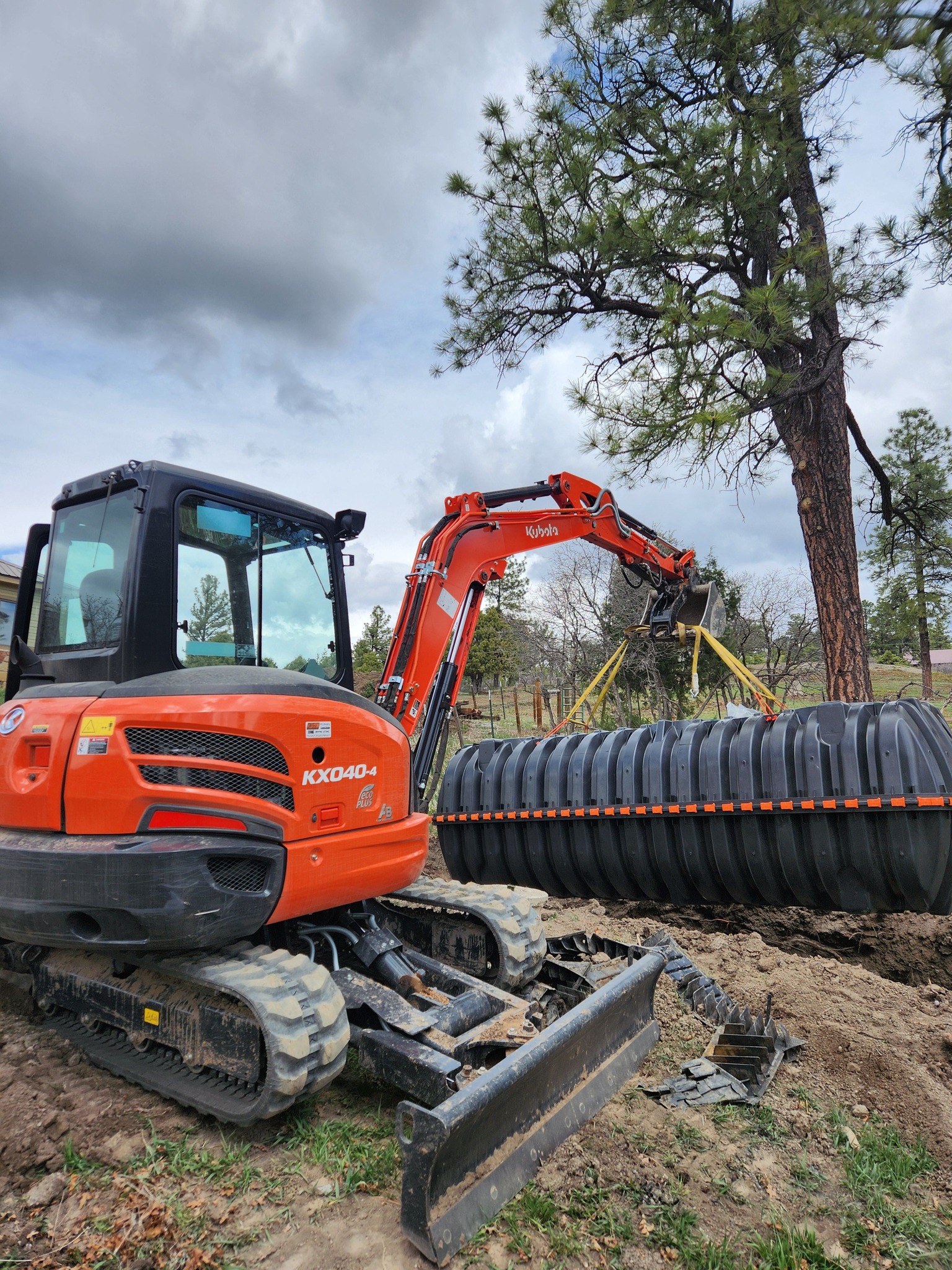
Furthermore, accessibility for maintenance cannot be overlooked. Septic systems require regular inspections and pumping, so choose a location easily reachable by the equipment necessary for these tasks. Ensure that the site allows for smooth access without causing damage to your landscape or system components.
Aside from these practical considerations, future property developments should also influence your decision. Consider whether the chosen site might interfere with planned constructions or landscaping projects. Ideally, your septic site should remain undisturbed by future changes to avoid additional complications or costly relocations.
Finally, when in doubt, consult the experts. Site selection is not just about picking a spot that looks convenient; it involves technical assessments that professionals like our team at Markham Septic & Excavation are equipped to handle. Our expertise can streamline the process, ensuring your site selection adheres to both regulatory standards and best practices for optimal functionality.
In conclusion, selecting the perfect site for your septic system involves a blend of regulatory compliance, environmental consideration, and practicality. By taking these factors into account, you’ll not only ensure the longevity and efficiency of your septic system but also contribute positively to environmental preservation. For further assistance, the professionals at Markham Septic & Excavation are always ready to help you make informed and effective decisions about your septic site choices.
/filters:no_upscale()/filters:format(webp)/media/7959ba15-4368-43b3-9415-3dacd348c2f7.jpeg)