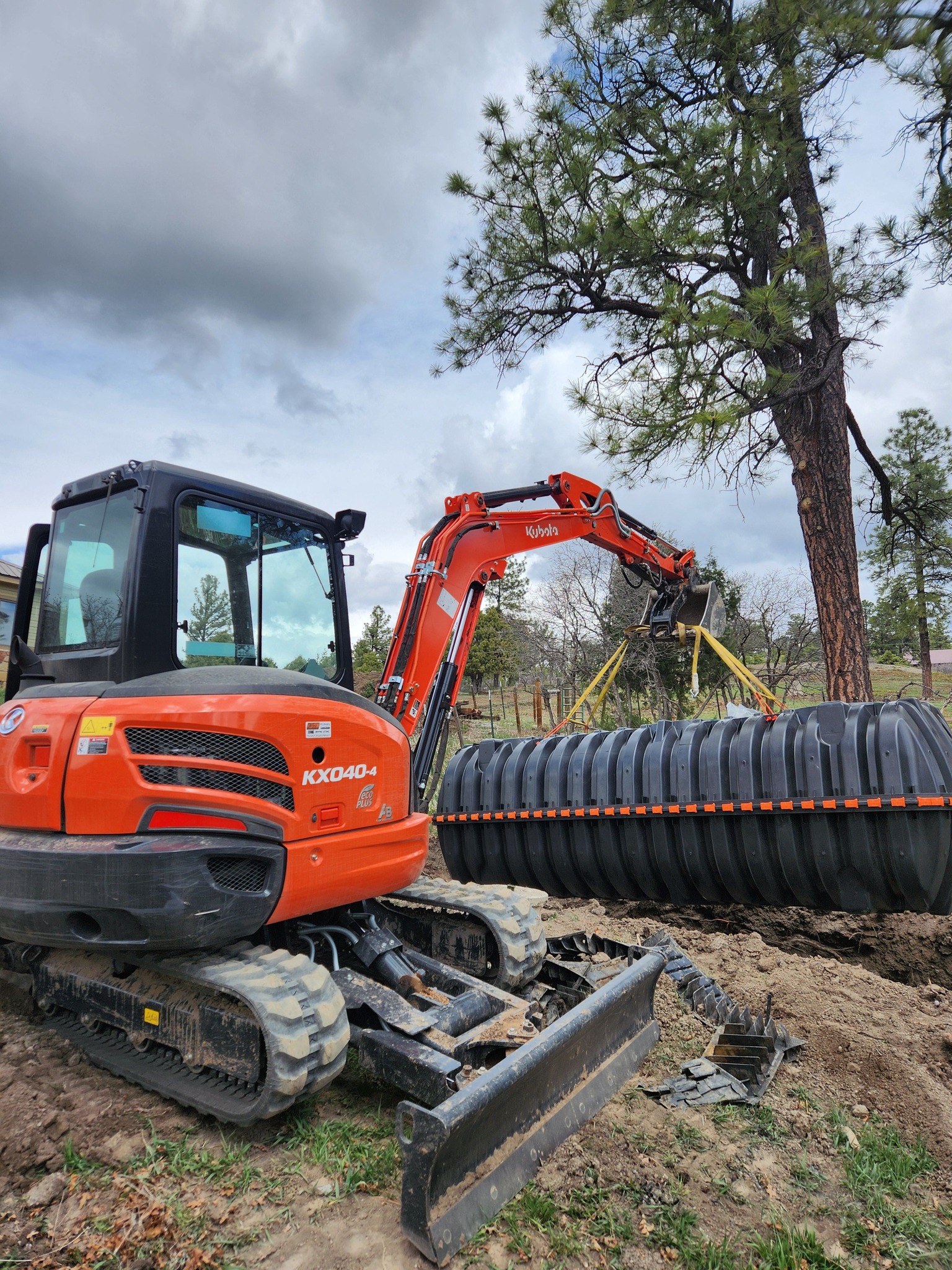
Excavation Safety and Efficiency: Best Practices for a Secure Worksite Jul 06, 2026
Excavation work involves significant risks, including trench collapses, exposure to underground utilities, and heavy machinery operation. Thus, the initial step in improving safety is a comprehensive site assessment. Before any digging begins, thoroughly evaluate the terrain, locating existing utilities and potential hazards. This preemptive measure minimizes unforeseen challenges and ensures that all parties are aware of their responsibilities and the risks involved.
Once the site is assessed, drafting an excavation plan is imperative. A well-drafted plan outlines the sequence of operations, safety protocols, and emergency procedures. It should also specify the roles and duties of each team member, ensuring everyone knows their task and the precautions to take. This clear communication fosters an organized execution of the excavation project.
Implementing proper training programs for all personnel is another cornerstone of excavation safety. Workers should be well-versed in operating machinery and the safe handling of equipment. Comprehensive safety training programs familiarize workers with safety standards and industry-specific regulations like OSHA guidelines, thereby reducing the likelihood of accidents.
Regular equipment maintenance is crucial in promoting excavation efficiency while mitigating risks. Conduct routine checks on tools and machinery to ensure they function optimally and comply with safety standards. Not only does this prevent mishaps due to equipment failure, but it also enhances productivity by reducing downtime.
Moreover, investing in advanced technology can significantly boost excavation efficiency and safety. GPS and GIS technologies, for instance, offer precise site mapping and utility location services, reducing risks associated with underground obstructions. These technologies facilitate accurate dig site planning and execution, thereby saving time and resources.
Another essential practice for a secure worksite is the implementation of robust trench safety protocols. Trenches, being a common aspect of excavation, pose significant collapse risks. Employ protective systems such as sloping, shoring, or shielding based on the trench's depth and soil type. Regular inspection of trench supports ensures they remain stable throughout the project duration.
Communication on-site cannot be overstated. Using clear and consistent communication methods such as hand signals, walkie-talkies, or designated signals prevents misunderstandings and accidents, particularly in noisy environments or where visibility is limited.
Lastly, fostering a safety-first culture is imperative. Encouraging workers to speak up about safety concerns and to actively participate in safety meetings instills a collective responsibility toward maintaining secure excavation practices. This culture not only ensures compliance with safety regulations but also boosts worker morale and productivity.
In conclusion, by integrating these best practices into daily operations, Markham Septic & Excavation can enhance safety and efficiency on excavation sites. A well-executed excavation plan, regular training, technologically advanced tools, and a robust safety culture all contribute to a successful project. As a company dedicated to superior performance, prioritizing safety and efficiency provides exceptional service and distinguishes itself in the excavation industry.
/filters:no_upscale()/filters:format(webp)/media/7959ba15-4368-43b3-9415-3dacd348c2f7.jpeg)