Demystifying Septic System Installation: What Every Property Owner Should Know Feb 02, 2026
Understanding the Basics
A septic system is an underground wastewater treatment structure commonly used in areas without centralized sewer systems. It consists of a septic tank and a drain field. The septic tank filters solids from the wastewater, and the liquid effluent is dispersed into the soil through the drain field. Proper installation is crucial to ensure efficient functioning and longevity.
Site Assessment and Planning
The first step in the septic system installation process is site assessment. This involves evaluating the property’s soil type, topography, and water table. A percolation test, or "perc test," is usually performed to determine the soil’s absorption capacity. Understanding the soil conditions helps in designing a system that will work efficiently. Our team at Markham Septic & Excavation conducts thorough site evaluations to ensure the design is well-suited to the property’s unique characteristics.
Choosing the Right System
Septic systems are not one-size-fits-all. The type of septic system suitable for your property depends on several factors, including soil composition, lot size, and local regulations. Common types include conventional systems, aerobic treatment units, and mound systems. Each has its benefits and suitability based on your specific site conditions. Our experts will help you choose the most appropriate system that complies with local codes and meets your property's needs.
Permitting and Regulations
Before installation can begin, it’s essential to secure the necessary permits and adhere to local regulations. Septic system regulations vary by location, covering aspects such as setback distances, design approvals, and installation oversight. At Markham Septic & Excavation, we handle all the permitting processes, ensuring compliance with local laws and eliminating any bureaucratic hassle for property owners.
Installation Process
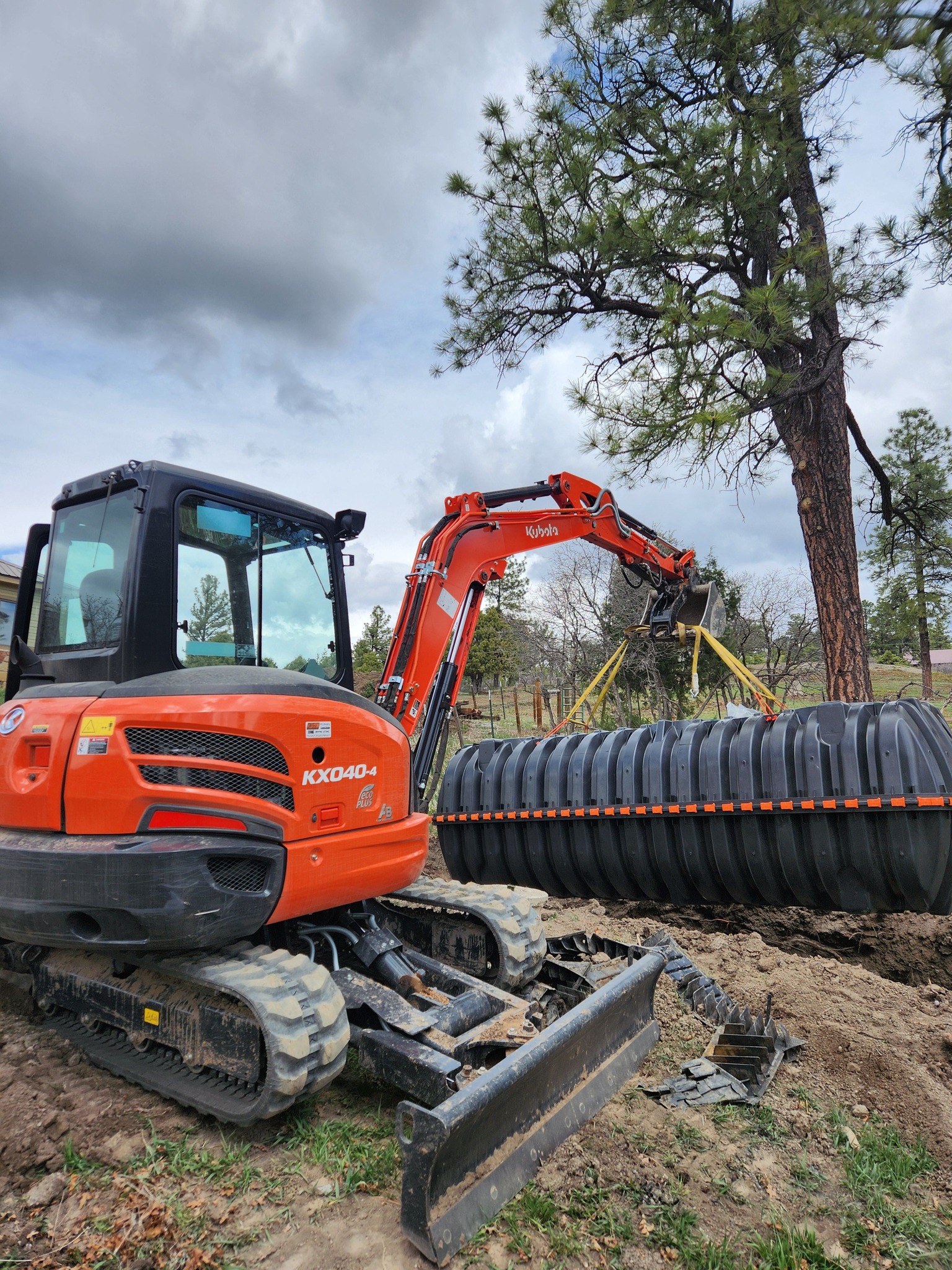
Once the planning and permitting phases are complete, the physical installation begins. This involves excavating for the septic tank and drain field, connecting the plumbing systems, and ensuring proper slopes for gravity-fed systems. Our experienced crew focuses on precision and attention to detail to prevent future issues like soil compaction or pipe blockages, which can lead to system failures.
Post-Installation Maintenance
Even the best-installed septic systems require regular maintenance to function optimally. Regular pumping and inspections are crucial, preventing costly repairs down the line. Proper maintenance involves knowing what can and can’t go into your septic system to avoid clogging or overloading. As part of our service, Markham Septic & Excavation offers comprehensive maintenance plans to keep your system running smoothly.
Conclusion
Investing in a septic system is a significant decision for any property owner. A well-installed system ensures effective wastewater treatment and protects the environment. At Markham Septic & Excavation, we are committed to providing our clients with expert guidance and high-quality service from start to finish. Understanding these key aspects of septic system installation empowers you to make informed decisions and ensures the longevity and efficiency of your investment. If you’re ready to embark on this crucial project, contact us today to discuss your options and schedule a consultation.
/filters:no_upscale()/filters:format(webp)/media/7959ba15-4368-43b3-9415-3dacd348c2f7.jpeg)